
Math Fundamentals & Intro to Economics

-
Learning numbers 1–50
Addition and subtraction up to 15
Skip counting by 2, 5, 10
Comparing quantities
Predicting patterns
Introduction to time (time of day, days of week, months of year)
Understanding symmetry
Giving and following directions
Learning 2D and 3D shapes
-
Learning numbers 1–1000
Addition and subtraction up to 3 digits
Introduction to single-digit multiplication
Word problems
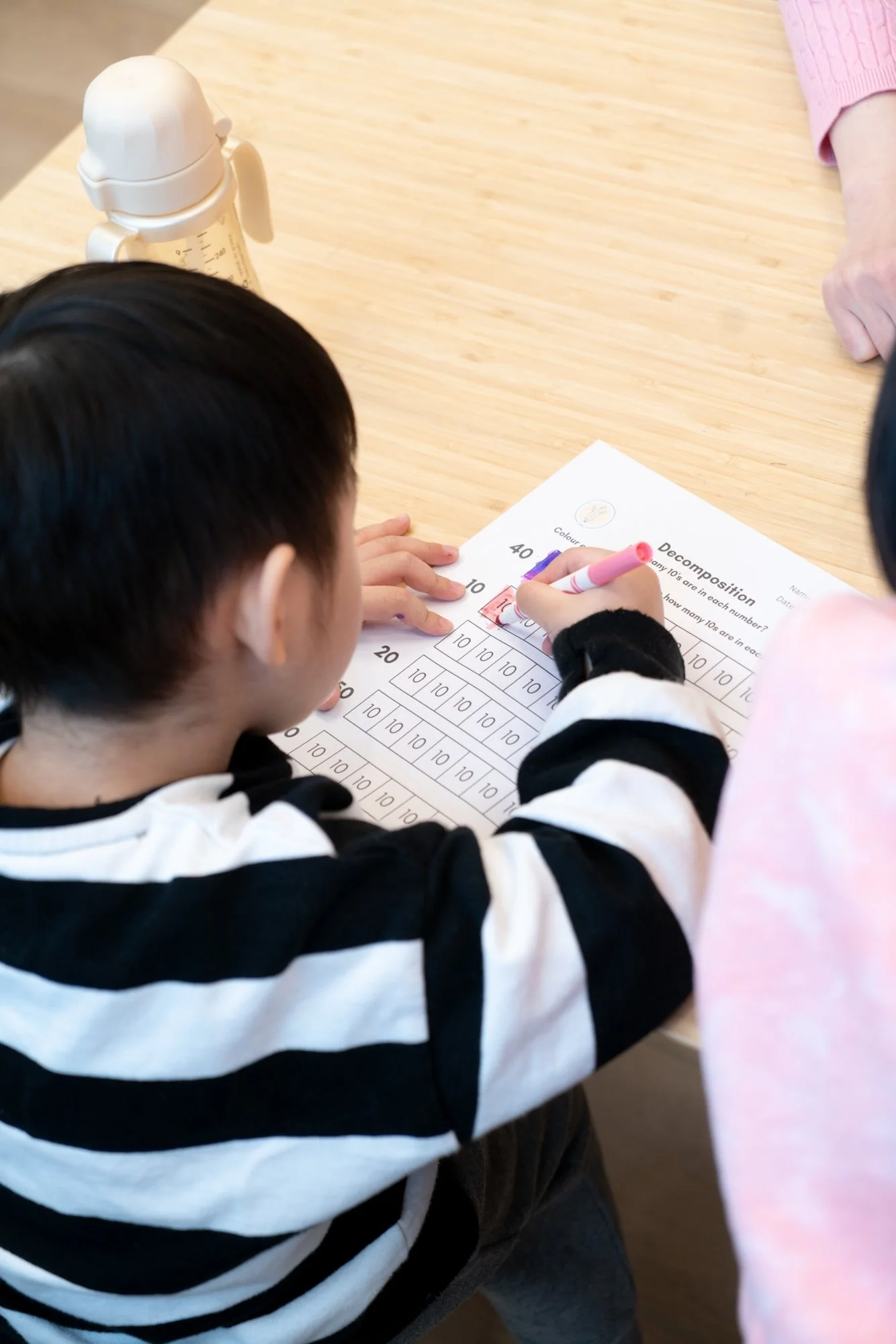
Decomposition of numbers and introduction to place value
Introduction to likelihood
Telling time with minute and hour hands
Calculating perimeter and area of simple 2D shapes
-
Learning numbers 1–1,000,000
Multiplication up to 3 digits
Basic division, division with remainder, and long division
Understanding likelihood
Place values, decimals, and rounding
Introduction to fractions and converting mixed fractions
Adding and subtracting fractions
Perimeter and area of regular and irregular shapes
-
Multiplication and division to 3 digits (including remainders)
Converting decimals to percentages to fractions
Dividing and multiplying fractions
Word problems with mixed operations
Understanding ratios and calculating probability
Unit conversions
Financial literacy
Reading graphs and charts
Calculating angles, perimeters, and areas
BC Curriculum-aligned program blending the critical thinking of MPM Math with the visual "model method" of Singapore Math. We bridge the gap between abstract concepts and reality by integrating math into real-world economics, featuring hands-on projects in budgeting, profit, and business.

Math for the real world.
│
Math for the real world. │
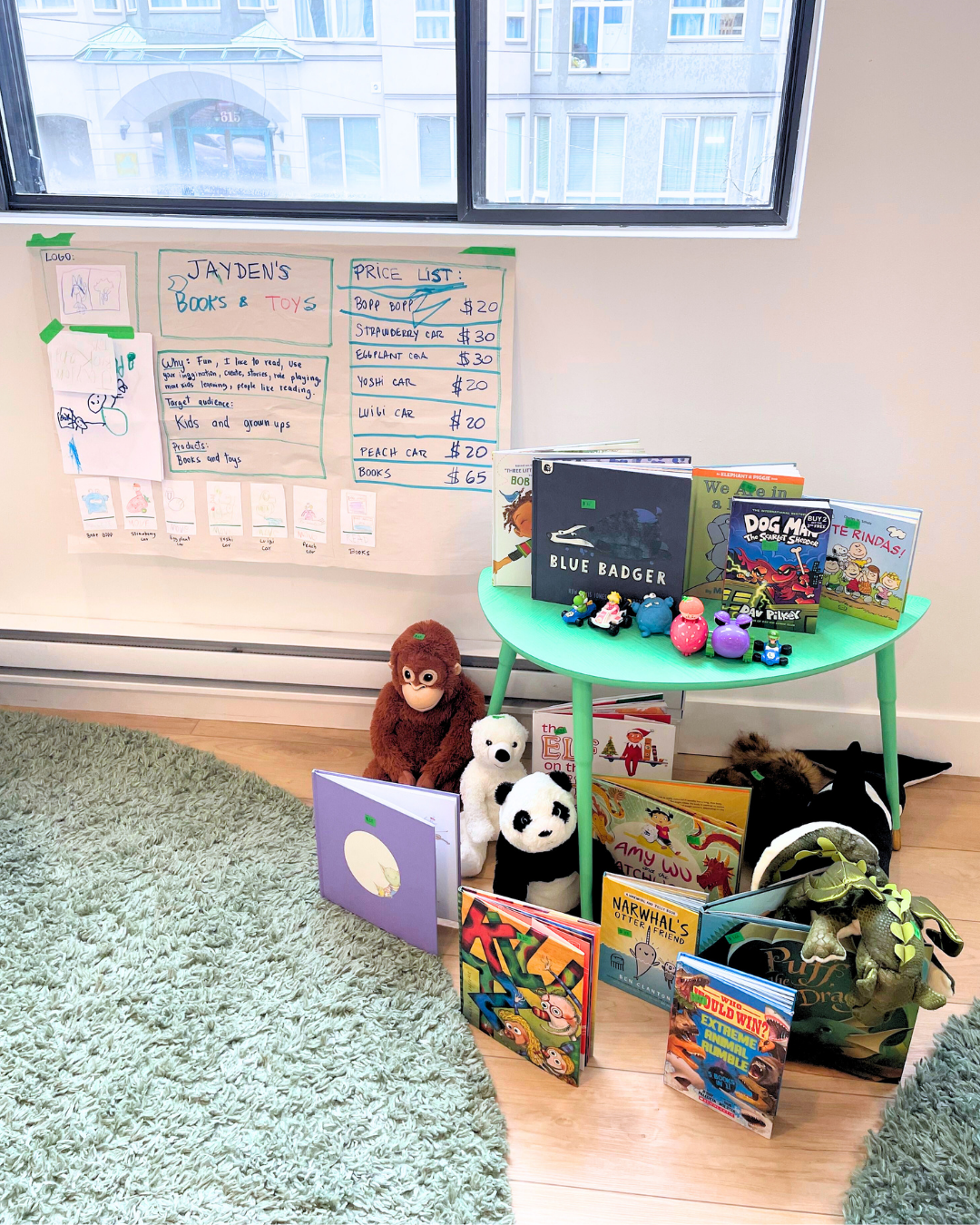
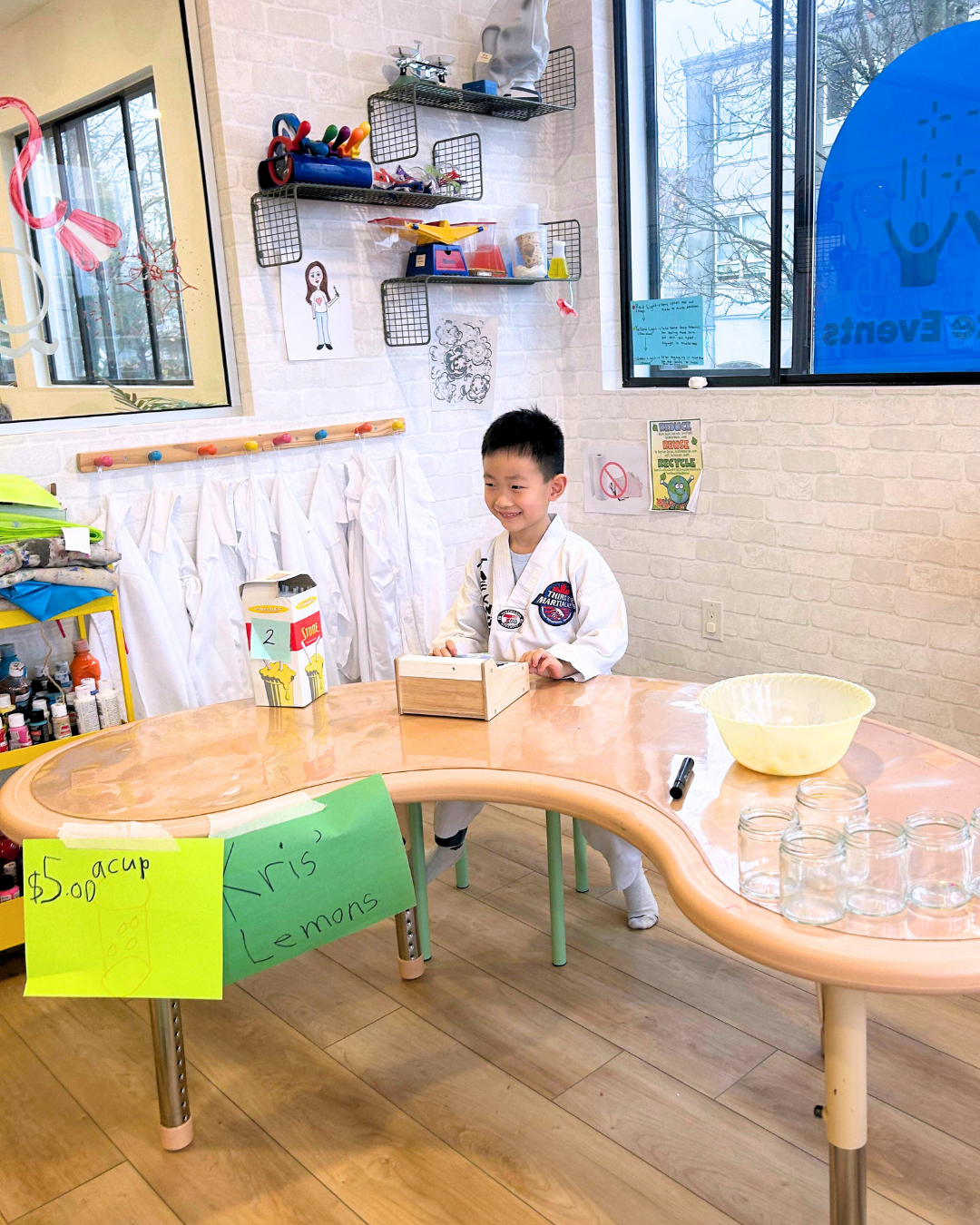
Our Holistic Approach
LWL Education’s BC Curriculum-aligned Math program meets WonderWorks’ hands-on economics project, bridging the gap between abstract concepts and real-world business.
How is our math course similar to MPM Math?
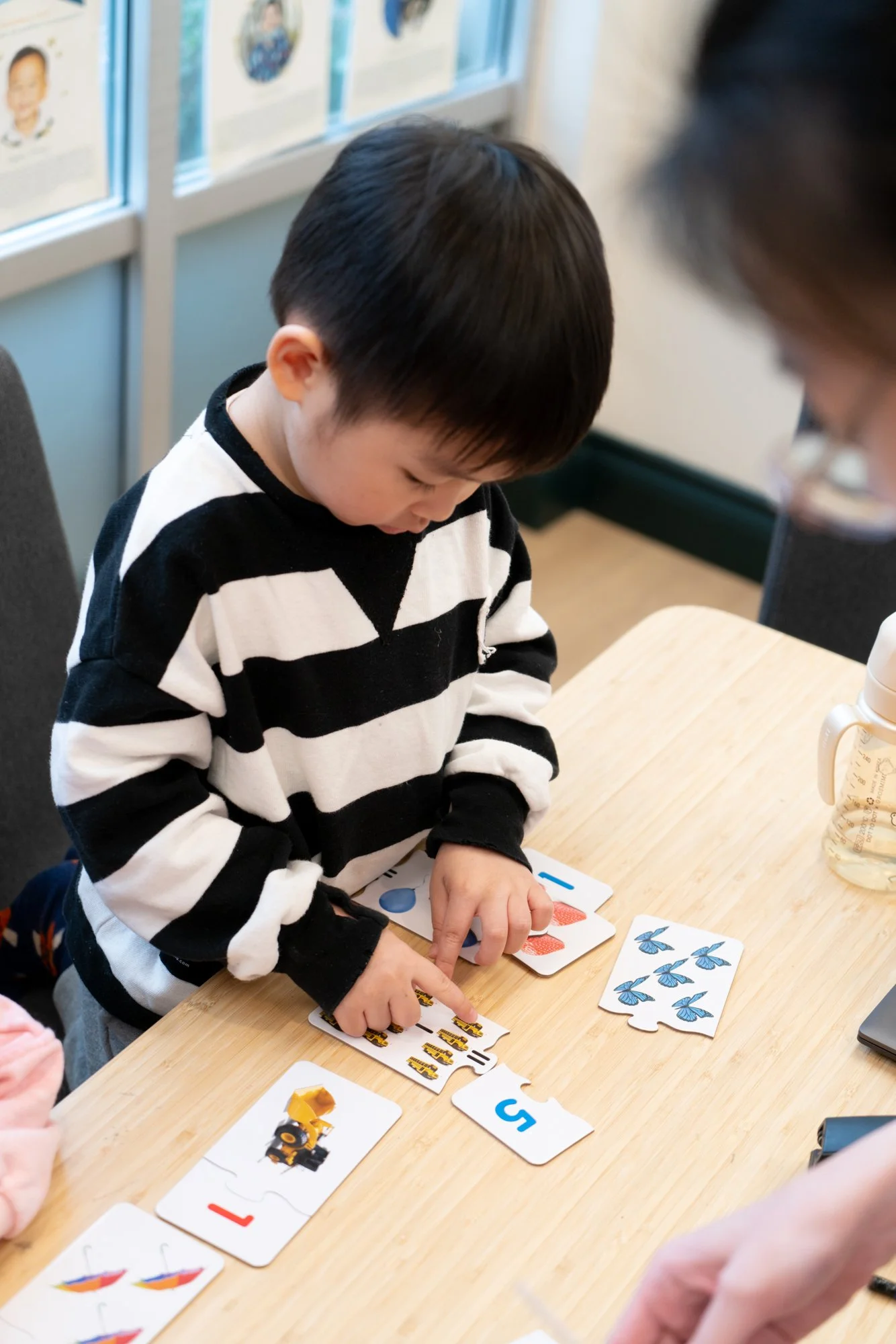
We simplify abstract math into easy, kid-friendly methods. Like MPM, our students build a solid foundation through real-life examples and tangible tools. We focus on critical thinking and problem-solving, preparing students to tackle unfamiliar challenges with confidence.
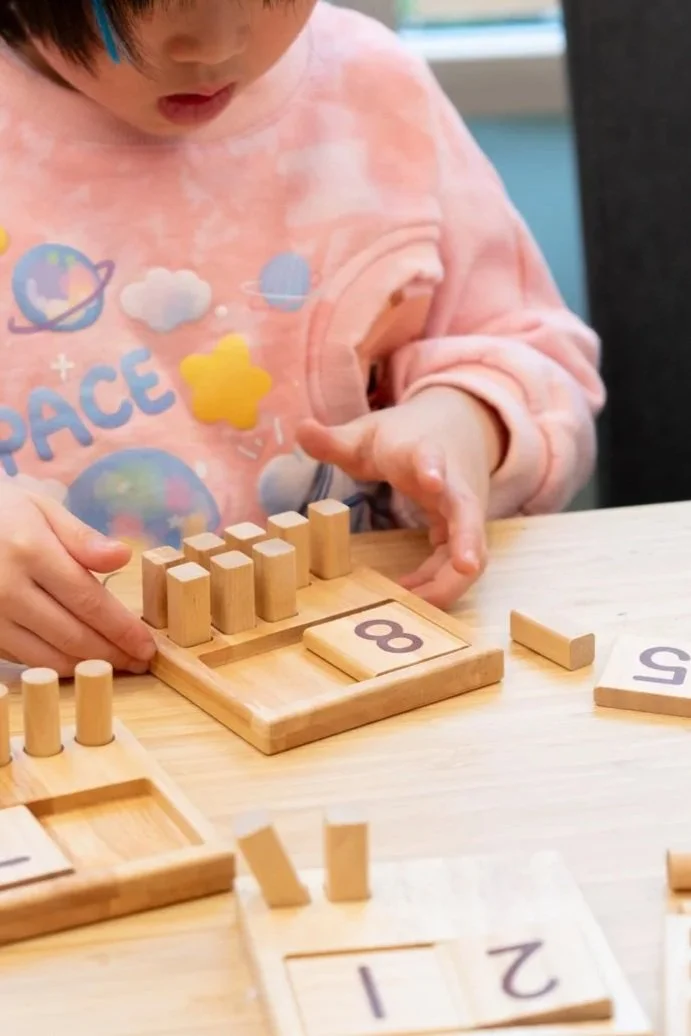
How is our math course similar to Singapore Math?
Our curriculum uses a layered, systematic approach—connecting arithmetic, algebra, and geometry across all grades. Similar to the Singapore Math "model method," we use visual figures and models to help students visualize complex problems.
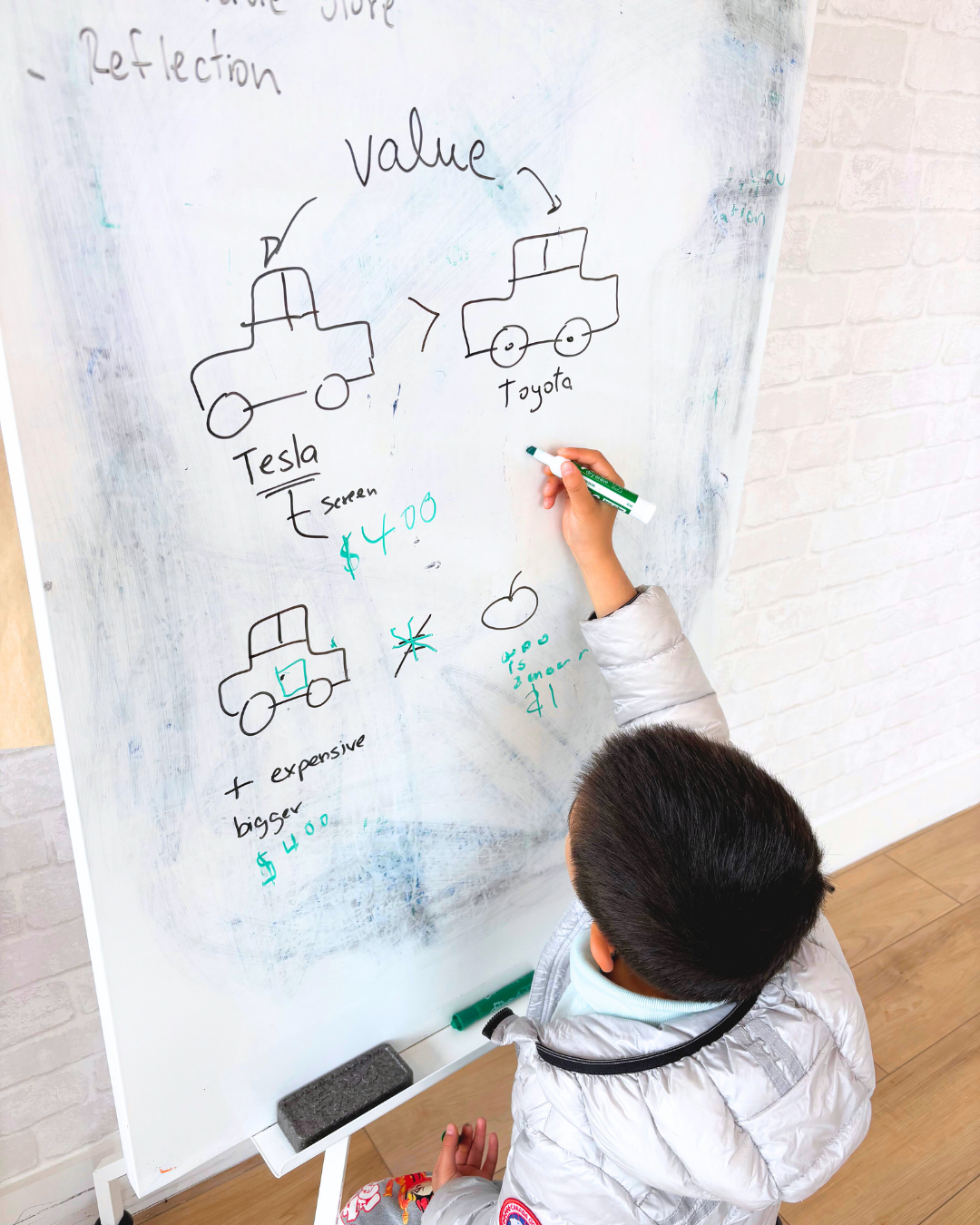
How do we introduce real-world Economics?
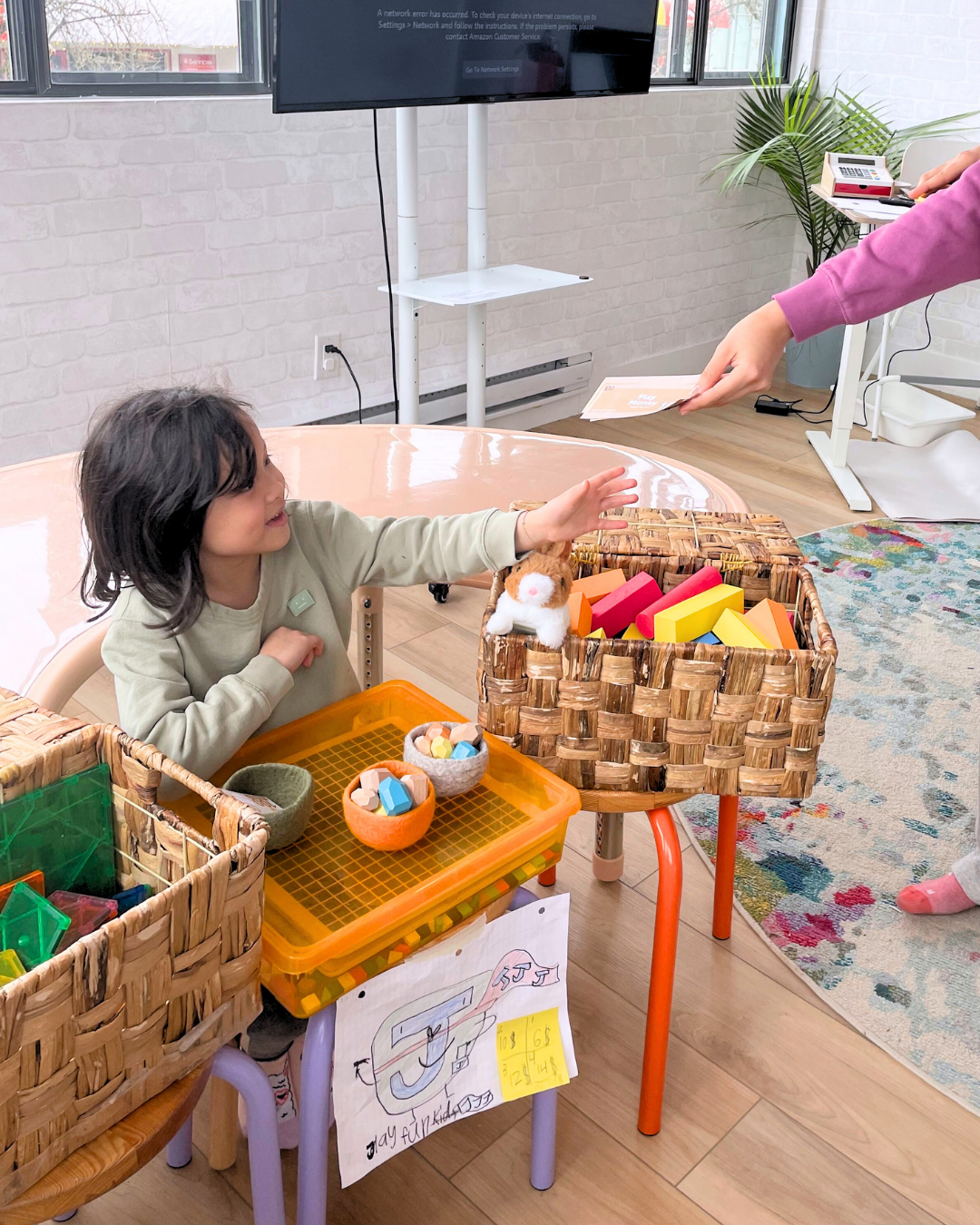
Each in-person class includes a 20-minute economics project. Guided by teachers, students brainstorm business ideas and explore costs, profit, and budgeting. This hands-on activity translates math into real-world business skills and creative problem-solving.
How is our math course different to MPM and Singapore Math?
Our math program, workbooks, and activities are specifically aligned with the BC Ministry of Education’s math curriculum.