
How to Teach Kids Critical Thinking Skills: A Parent's Guide

Your child gets a question wrong. What happens next?
Do they ask for the answer? Guess again? Or stop and work out why their first approach failed?
That small moment tells you a lot.
In elementary school, learning stops being only about remembering facts. Children need to compare information, explain their reasoning, tackle unfamiliar problems and judge whether an idea holds up. That is critical thinking.
In British Columbia, critical and reflective thinking is a Core Competency woven through K–12 learning. The B.C. curriculum describes it as considering options, using evidence and criteria, drawing conclusions and reflecting on your own thinking.
Here's the good news: children aren't born with critical thinking or without it. It develops through the way they read, talk, solve problems, investigate questions and reflect on their decisions.
What Are Critical Thinking Skills for Kids?
Critical thinking isn't about being "smart," questioning everything or solving hard puzzles. For an elementary-aged child, it means being able to:
ask meaningful questions instead of accepting the first answer;
explain why they believe something;
look for evidence before reaching a conclusion;
compare different possibilities;
notice when information doesn't make sense;
consider another person's perspective;
change their thinking when new information appears; and
reflect on what worked and what they'd do differently next time.
These abilities build in stages. The B.C. curriculum has younger learners making predictions, gathering information through observation and using simple evidence to make judgments. Older students compare perspectives, evaluate information and build better-supported conclusions.
You don't need to turn every conversation into a lesson. You need to create more moments where your child thinks before being given the answer.
Why Critical Thinking Matters in Elementary School
Elementary school is where children build the habits they'll rely on when learning gets harder.
Take a typical reading question: "Why do you think the character made that decision?"
Knowing what happened in the story is only step one. To answer well, a child has to recall details, interpret motivation, find evidence in the text and explain how that evidence supports their conclusion.
The same process shows up everywhere. In math, students choose a strategy that makes sense instead of memorizing a procedure. In science, they predict, observe and revise their original ideas. In writing, they decide which evidence best supports an argument.
Outside school, the stakes are just as real. Children run into online information, advertising, videos and opinions every day, and they need to decide what's reliable and what deserves a second look.
Critical thinking doesn't replace knowledge. It works alongside it. Students need knowledge and the ability to do something meaningful with it.
Research on metacognition (the ability to think about and manage your own learning) backs this up. The Education Endowment Foundation notes that modelling thinking aloud, reasoning, discussion and reflection support learning when they're built into regular curriculum content.
How to Teach Kids Critical Thinking Skills at Home
You don't need special worksheets or elaborate exercises. Most of the best opportunities are already happening in ordinary conversations.
1. Ask "Why?" Before Giving the Answer
Your child says, "I think this character is angry."
Skip the verdict. Ask: "What makes you think that?"
That one question changes the task. Your child now has to search for evidence, connect ideas and explain their reasoning.
Useful follow-ups:
"What did you notice?"
"What evidence supports your idea?"
"How did you figure that out?"
"Could there be another explanation?"
The point isn't to interrogate. It's to make explaining their thinking a normal part of learning.
2. Let Children Make Predictions
Prediction is the easiest way into reasoning.
Before finishing a story, ask: "What do you think will happen next?" Before a simple science experiment: "What happens if we change this?" Before trying a solution: "Which option will work best?"
Then ask the question that matters most: "Why?"
A prediction doesn't have to be right to be valuable. When children compare what they expected with what actually happened, they learn that thinking can be tested, revised and improved.
3. Resist Solving Every Problem for Them
Children ask adults for help constantly. Sometimes giving the answer is the right call.
But when adults fix every difficult situation immediately, children lose the chance to work through uncertainty.
Say your child can't fit everything into their school bag. Don't repack it yourself. Ask: "What are some ways we could solve this?" Let them suggest options. If the first one fails, that's useful information.
Critical thinking grows through experiencing a problem, trying an approach and adjusting based on the result.
4. Compare More Than One Possible Answer
Not every question has one perfect answer. Give children practice weighing alternatives:
"Would this character have made a better decision if they'd asked for help?"
"Which of these two ways of solving the math problem is easier to understand?"
"Which material would work better for building this structure?"
Then ask them to set their own criteria. What makes something "better"? Faster? Stronger? Fairer? Easier? More convincing?
This moves children from "I like this one" to "I chose this one because…"
Teach Children to Look for Evidence
One of the most useful habits you can build is separating an answer from the reason behind it.
Compare "I think the answer is B" with "I think the answer is B because the paragraph says…"
The second response reflects a different level of thinking. Children learn that opinions, interpretations and conclusions get stronger when they can be supported.
This doesn't have to start with schoolwork. In everyday conversation, ask:
"How do we know?"
"Where did that information come from?"
"What would convince you this isn't true?"
For younger children, evidence might be something they noticed in a picture or experienced themselves. For older elementary students, it expands to passages from books, different sources, observations and data.
Encourage Children to Consider Different Perspectives
Critical thinkers understand that their first interpretation isn't the only one.
Stories are an easy starting point. After reading, ask: "How do you think the other character saw the situation?" Or: "Would everyone agree with this character? Why or why not?"
The same conversation works for history, classroom situations, news stories and everyday disagreements.
The goal isn't to teach children that every opinion is equally correct. It's to teach them to examine an idea from more than one angle before deciding what they think. That skill matters more with every year, as the information they encounter gets more complex.
Give Your Child Time to Think
Adults ask a question and expect an answer immediately. Deeper thinking takes longer.
When a child hesitates, it's tempting to fill the silence: "Is it because…?" "Maybe the answer is…" "Remember what your teacher said?"
Wait instead. A few extra seconds gives a child time to retrieve information, organize their thoughts and build an answer of their own.
The goal isn't faster responses. It's helping children get comfortable working through a question before turning to someone else.
Ask Children to Reflect on How They Learned
Critical thinking includes examining your own thinking.
After homework, a project or a tough puzzle, ask:
"What was the hardest part?"
"What strategy worked?"
"What did you change after your first attempt?"
"What would you do differently next time?"
Reflection shows children that success isn't just natural talent. There's a process behind it. The B.C. curriculum makes the same point, emphasizing reflection, feedback, goal-setting and adjusting your approach as critical and reflective thinking develops.
Critical Thinking Should Be Practised, Not Just Explained
Telling a child to "think critically" doesn't build the skill. Repetition does.
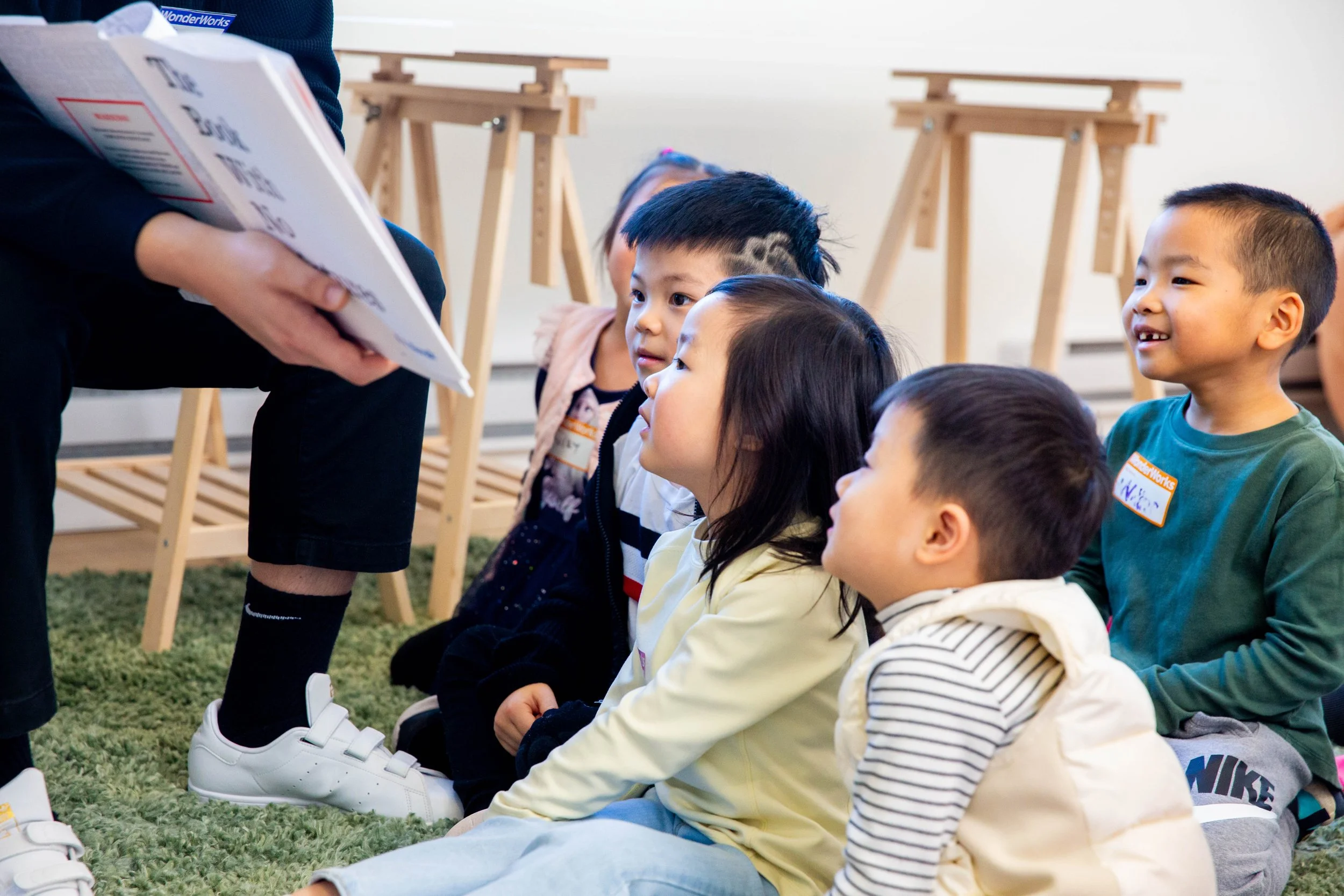
That's why the best learning experiences go beyond worksheets. Students discuss, investigate, create, explain and revise. An elementary student studying a story might read the text, identify an interesting question, discuss possible interpretations, find evidence, listen to a classmate's perspective, form a conclusion and explain it to the group.
The content matters. But the thinking process around the content is where these skills get stronger.
Approaches to elementary critical thinking consistently pair knowledge with real opportunities to analyze, evaluate and form judgments, rather than treating thinking as a separate subject.
How WonderWorks Helps Children Develop Critical Thinking
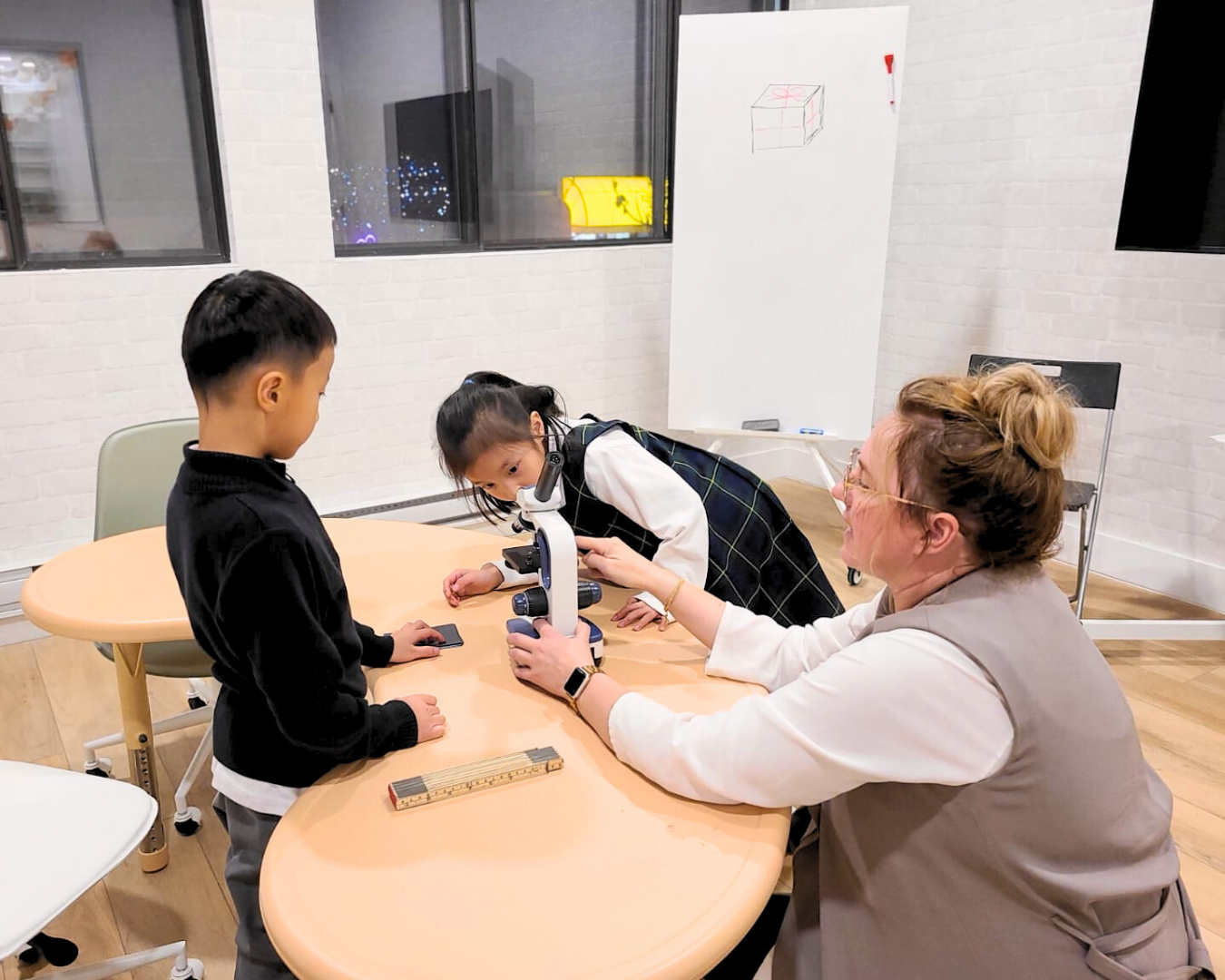
At WonderWorks, children learn more than how to reach the "right" answer. They explore, question, connect ideas and create something of their own.
WonderWorks describes its educational philosophy as bridging the gap between thinking and doing, with creativity and critical thinking treated as essential to learning. So critical thinking isn't confined to one worksheet or one lesson. It runs through the whole experience.
Through Stories and Literature
Stories invite children to look beyond “What happened?” and ask, “Why did the character make that choice?” or “What could happen differently?”
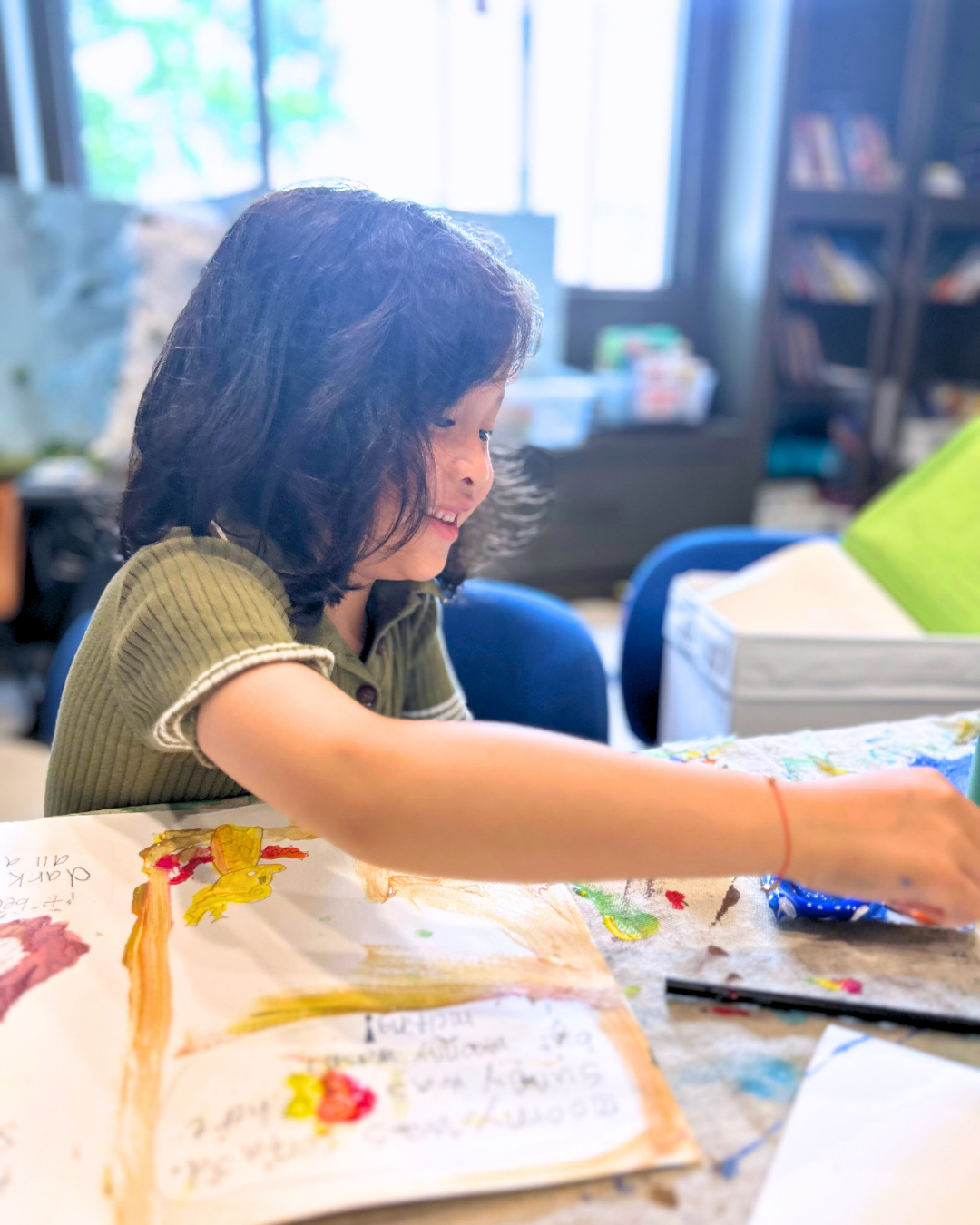
In WonderWorks’ Early Storytelling & Storybook Makers program, children put that thinking to work by creating their own books. They choose characters, make decisions about the plot and find their own way to tell the story.
Through Math and Real-World Problems
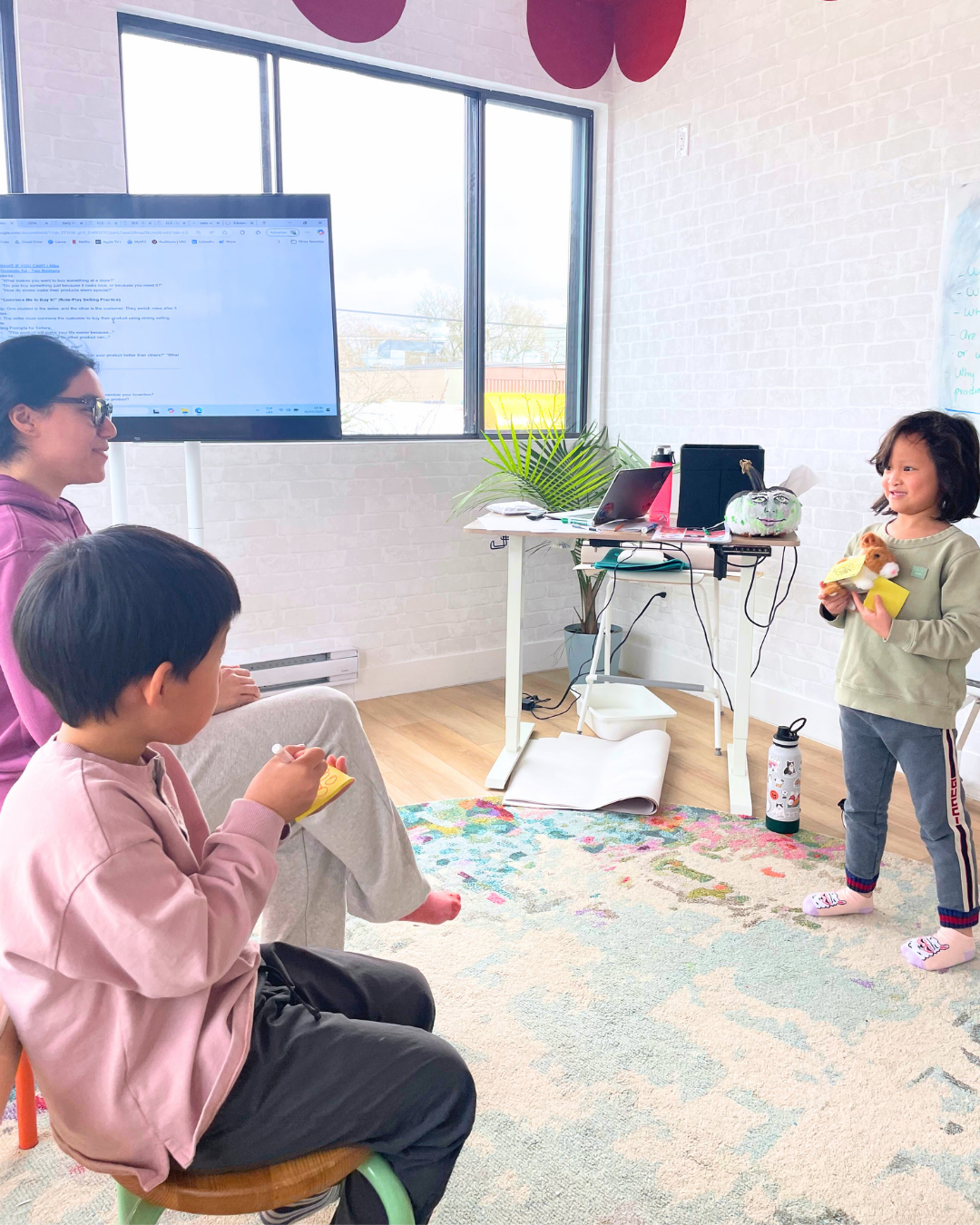
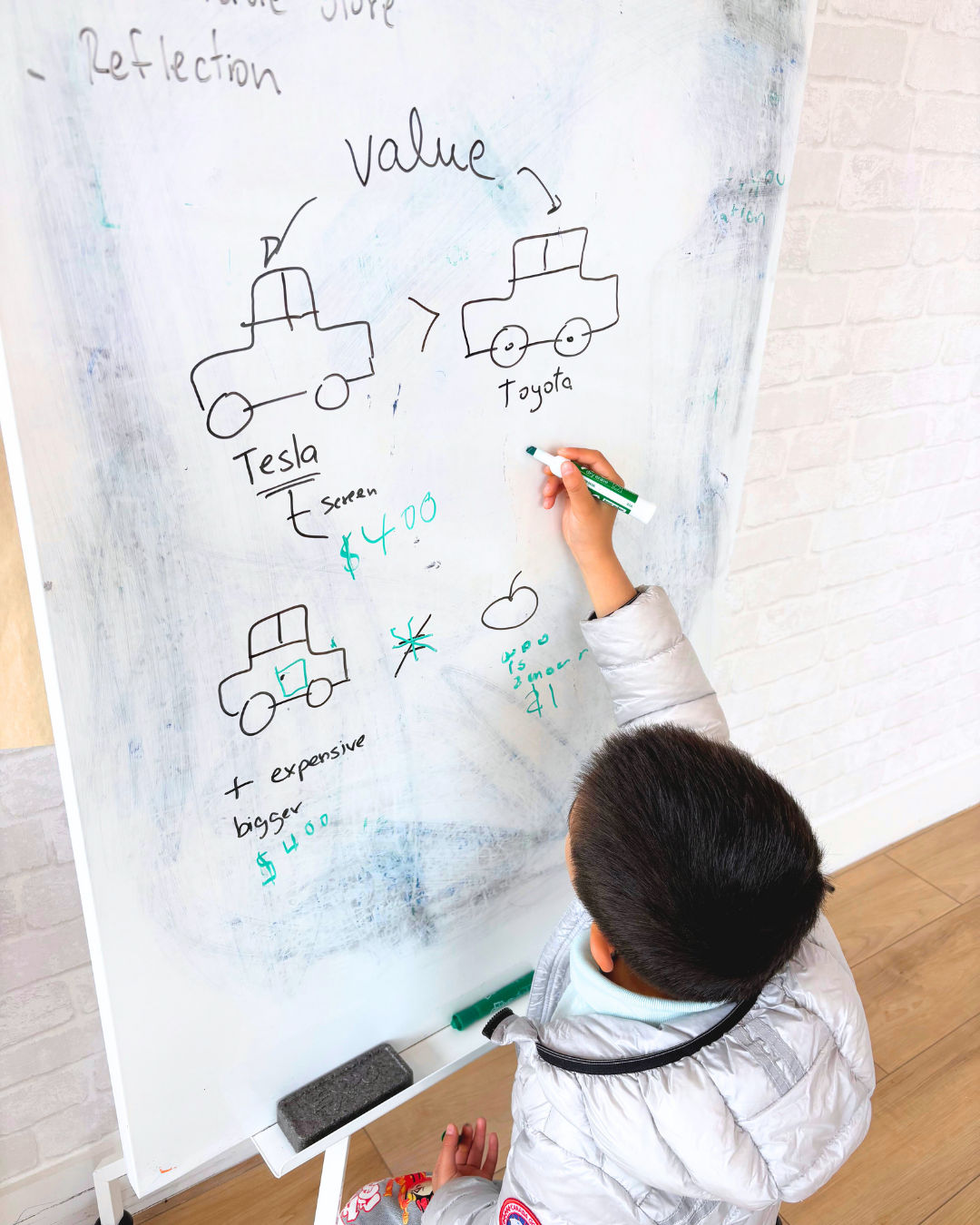
Math becomes more meaningful when children use it to make decisions. In WonderWorks’ Math Fundamentals & Intro to Econ program, students build mathematical reasoning while exploring everyday economic questions, such as how to compare prices, make choices with a budget and weigh trade-offs. They learn to explain why an answer makes sense and apply those ideas beyond the worksheet.
Through Discussion and Current Events
For older students, evaluating information becomes essential. WonderWorks' Thinking Through the News program, designed for ages 8–16, tackles fact versus opinion, media perspectives and global events. Students learn to examine information, not just consume it.
Through Creating, Not Just Consuming
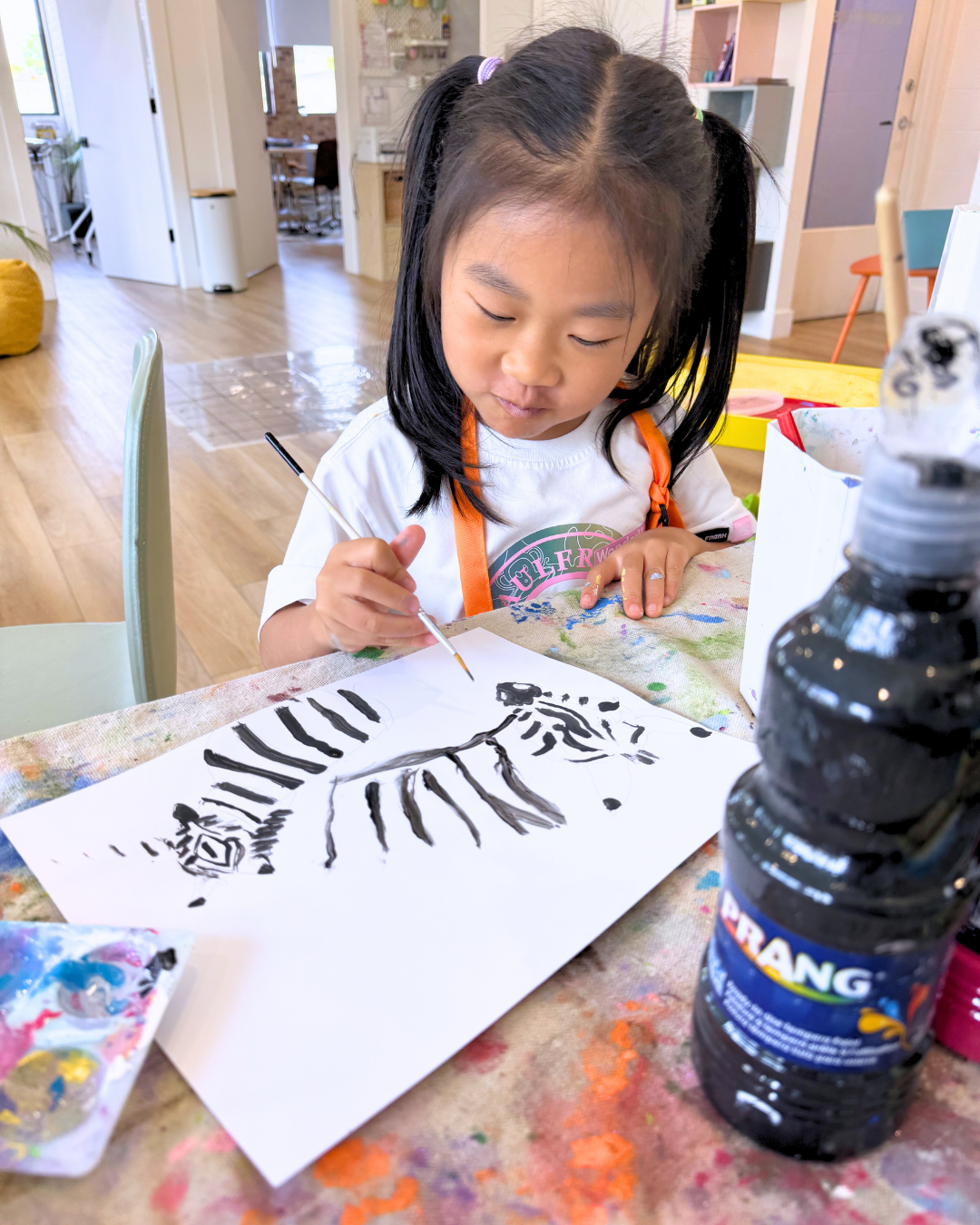
Children practise critical thinking when they use their ideas to create something: a business idea presentation, an original storybook, a science experiment or a stop-motion film. As they create, they ask:
What am I trying to show or find out?
Which idea works best?
What should I include?
What happened when I tried it?
How can I improve it?
At WonderWorks, children ask questions, try out their ideas and create something of their own. Teachers guide them, but children make choices, test what works and decide what to change. They get to use what they know, not just follow instructions or remember the answer.
What Parents Can Look for in a Learning Environment
When you evaluate an enrichment program or classroom, don't stop at which subjects are taught. Look at how children are expected to think.
Ask yourself:
Are students regularly asked to explain their ideas?
Are they encouraged to ask questions?
Do teachers ask follow-up questions instead of revealing answers right away?
Do children discuss different possibilities?
Are they expected to support conclusions with evidence?
Do projects require them to create, investigate or solve something?
Are they encouraged to reflect and improve after feedback?
The answers tell you far more about whether a program builds independent thinkers than a count of completed worksheets.
Building Critical Thinkers Takes Time
No child masters critical thinking in one semester. It develops as knowledge accumulates and children keep practising: questioning, reasoning, weighing evidence, solving problems and reflecting on their choices.
Parents play a real part in that process. Sometimes the most useful thing you can do when your child asks, "What's the answer?", is hold it back.
Try this instead: "What do you think, and what makes you think that?"
That small change turns children into active participants in their own learning. Over time, those everyday moments build independent learners who don't just remember what they've learned but question it, apply it and build on it.
That's the larger goal at WonderWorks: moving children beyond knowing information toward thinking clearly, creating confidently and applying what they learn in ways that matter.
Frequently Asked Questions About Critical Thinking for Kids
At what age can children start learning critical thinking skills?
Earlier than most parents expect. Young children already use basic critical thinking when they make predictions, compare choices, notice cause and effect and explain why they prefer something. The skills grow more sophisticated as knowledge and language develop.
What are some examples of critical thinking activities for kids?
Reading and discussing stories, predicting experiment results, comparing solutions to a problem, evaluating information, building or designing something and explaining the reasoning behind a decision.
Is critical thinking the same as problem-solving?
They overlap, but they aren't the same. Problem-solving focuses on finding a way through a specific challenge. Critical thinking is broader: it includes questioning information, evaluating evidence, comparing perspectives, drawing conclusions and reflecting on your own reasoning.
How can parents improve critical thinking without adding more homework?
Use what's already happening at home. Ask children to explain their reasoning, compare choices, predict outcomes and reflect on what worked. Everyday conversations, reading, games, planning and problem-solving are all practice.